
Get the real 2026 status of the PM E-Drive subsidy — segment-wise rates, L5 cargo eligibility, state stacking and honest savings math. Talk to Rudved.
In 2026, the PM E-DRIVE subsidy for e-2W scooters formally ended on July 31, 2026, but support for e-3Ws (including L5 cargo three-wheelers), e-trucks, e-buses, e-ambulances and charging infrastructure continues until March 31, 2028. Commercial e-3W buyers with advanced lithium-ion batteries can still claim an Aadhaar-authenticated e-voucher applied upfront at purchase, often stackable with state EV incentives.
What the PM E-Drive subsidy actually covers in 2026
If you are planning to go electric this year, the PM E-Drive subsidy is one of the best reasons to act now. It is India's central demand incentive under the PM Electric Drive Revolution in Innovative Vehicle Enhancement programme — the successor to FAME-II — and it is built to put money back in your pocket by lowering the upfront cost of specific commercial and public-transport EVs.
The good news is that the scheme is substantial and here to stay for the segments that matter most. The Union Cabinet approved the PM E-Drive scheme with an outlay of ₹10,900 crore , launched on 1 October 2024 to run over two years, aiming to support close to 2.5 million EVs across e-2Ws, e-3Ws (including roughly 3.2 lakh e-3Ws), e-buses, e-ambulances and e-trucks. That outlay breaks down as ₹3,679 crore for demand incentives on e-2Ws, e-3Ws, e-ambulances and e-trucks; ₹4,391 crore for 14,028 e-buses; and ₹2,000 crore for charging infrastructure, including a push to build 48,400 fast chargers and develop the Unified Bharat eCharge platform for interoperable access across networks. The programme has already put around 1.13 million EVs on Indian roads with about half the subsidy intensity of FAME-II.
The one status update most articles get wrong
For e-2W scooters, the PM E-Drive subsidy formally closed on July 31, 2026 after a single extension. But if you are buying an e-3W, e-truck, e-bus, e-ambulance or charging infrastructure, you are still fully covered until March 31, 2028 — though like every segment under this scheme, that window holds only as long as the ₹10,900 crore outlay itself isn't exhausted first.
Current status, segment by segment
Here is where most articles trip people up: they lump every EV category together and leave you guessing. Whether you know the programme by its official name or its informal nickname, PM e-Vahan Yojana, what really matters to you is simple — which vehicle segment are you buying, and is it still funded? The table below gives you that answer at a glance.
| Segment | Status | Support window |
|---|---|---|
| e-2W scooters (private + commercial) | Closed | Ended July 31, 2026 |
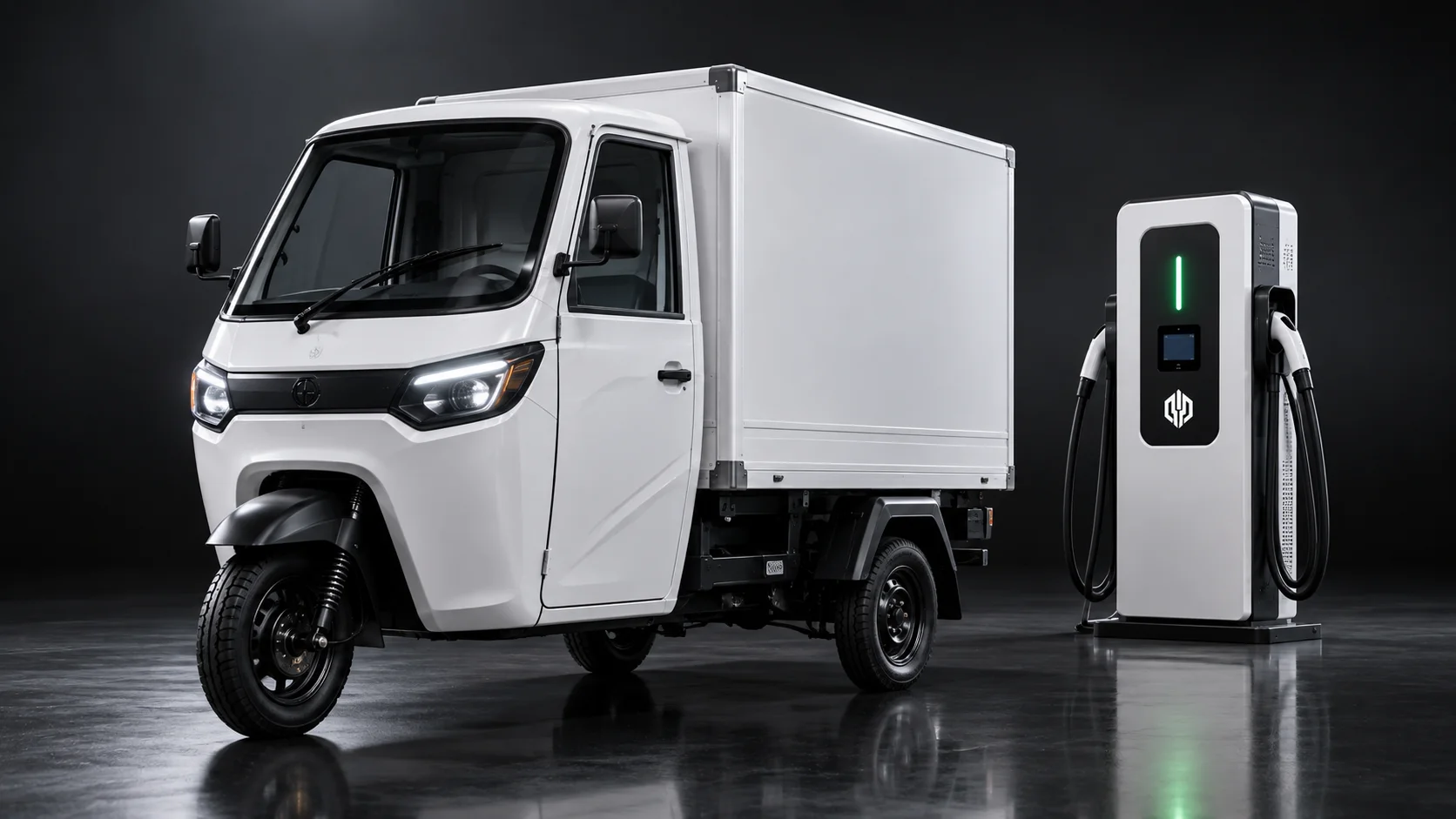
| e-3W incl. L5 cargo three-wheelers | Active (commercial) | Until March 31, 2028 |
| e-trucks, e-buses, e-ambulances | Active | Until March 31, 2028 |
| Charging infrastructure | Active | Until March 31, 2028 |
PM E-Drive subsidy status by vehicle segment (2026)
So if you run last-mile logistics or a small cargo business, this is genuinely great news — the exact segment you care about is still backed by the government.
What the charging infrastructure allocation means for fleet operators
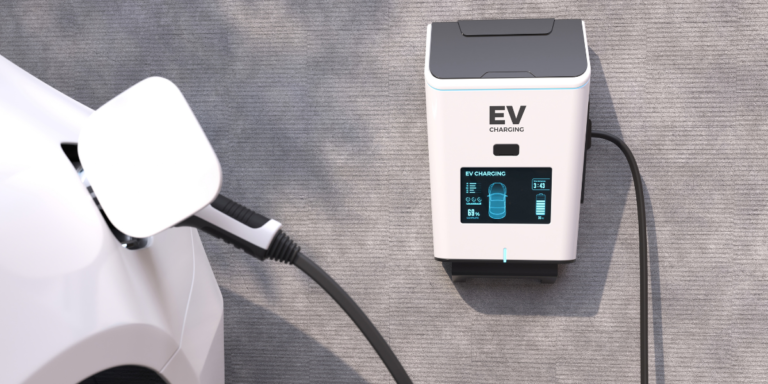
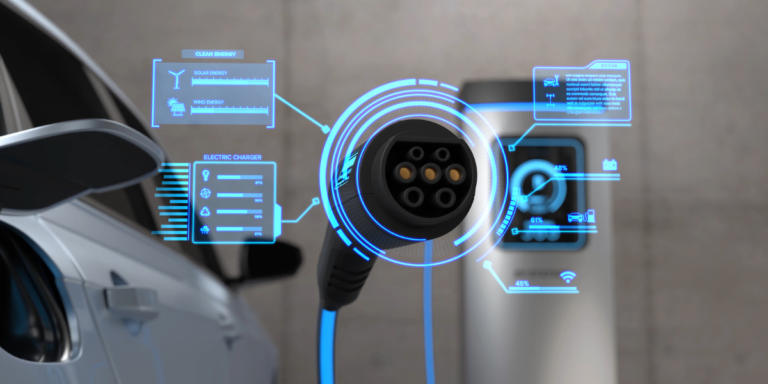
Of the four active segments in the table above, charging infrastructure is arguably the one that determines whether the other three actually work for you. The ₹2,000 crore earmarked under PM E-Drive is funding 48,400 fast chargers and the Unified Bharat eCharge platform precisely because a subsidized e-3W, e-truck or e-bus is only as useful as the charging network it runs on — and that funding stays open until March 31, 2028, well past the e-2W cutoff.
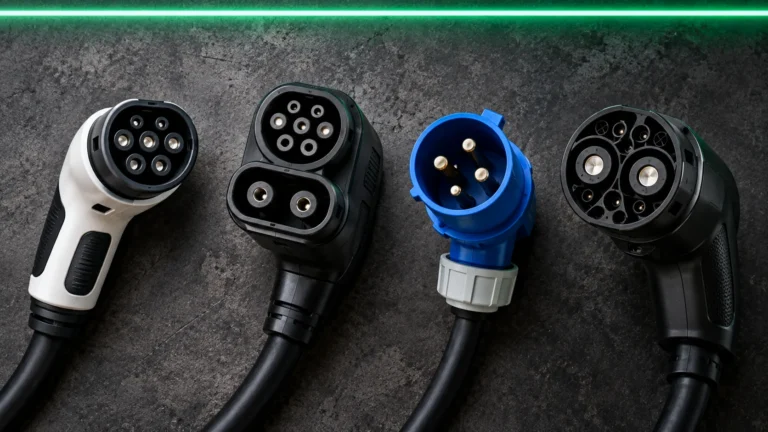
This is the segment Rudved operates in directly. As an EV charger provider, Rudved sources and installs the depot, fleet-yard and highway charging hardware that this allocation is designed to support, and handles the subsidy and compliance paperwork on the charging-infrastructure side specifically. If you're planning a fleet purchase under the e-3W or e-truck segments, it's worth scoping your charging setup alongside the vehicle purchase rather than after it.
Planning depot or fleet charging alongside your PM E-Drive vehicles?
Rudved sources, installs and helps fund the charging hardware your fleet needs, scoped against the current PM E-Drive charging infrastructure allocation. Talk to a Rudved charging specialist and we'll map out what your site needs.
Talk to an ExpertWhat the e-2W subsidy actually paid out before it closed
If you missed the window, it helps to know exactly what you missed — and it puts the L5 cargo numbers below in context. For FY2025-26, the e-2W demand incentive was set at ₹2,500 per kWh of battery capacity, capped at 15% of the ex-factory price. Only e-2Ws priced under ₹1.5 lakh (ex-factory) qualified in the first place.
| Battery capacity | Subsidy calculation (₹2,500 × kWh) | Approximate subsidy |
|---|---|---|
| 2 kWh | 2 × ₹2,500 | ₹5,000 |
| 3 kWh | 3 × ₹2,500 | ₹7,500 |
| 4 kWh | 4 × ₹2,500 | ₹10,000 |
Indicative e-2W subsidy calculation, FY2025-26 rate (before the July 31, 2026 closure), subject to the 15% ex-factory cap
Eligibility and subsidy math for L5 cargo three-wheelers
Vehicle and buyer eligibility
Qualifying is more straightforward than you might think — you just need to tick a few boxes. Run through this quick checklist before you head to the dealership:
- Commercial registration required — the e-3W track is meant for commercial use, unlike the now-closed e-2W track that also allowed private ownership.
- Advanced-chemistry battery only — your e-3W must run on a lithium-ion battery, not lead-acid.
- Aadhaar-authenticated e-voucher — generated through the PM E-DRIVE portal right at the point of purchase and applied upfront by the dealer, so there is no waiting for a reimbursement.
- OEM warranty conditions — battery, motor and controller warranty terms are usually tied to eligibility, which also protects your investment.
- One subsidy per buyer per category — worth planning around if you are scaling a fleet and buying several vehicles.
- Electric cars and hybrids are excluded — across every segment, the scheme funds e-2Ws, e-3Ws, e-buses, e-ambulances and e-trucks only.
- Government department purchases don't qualify — the subsidy is reserved for individual and commercial buyers, not departmental fleets.
FY-wise subsidy rates
Let's talk numbers, because this is where the savings become real. The original structure offered ₹50,000 per vehicle in Year 1 and ₹25,000 in Year 2 for L5 cargo three-wheelers — noticeably higher than the ₹25,000/₹12,500 offered on e-rickshaws. Under the FY2025-26 structure, e-3W support is now calculated per-kWh with per-vehicle caps.
| Category | Year 1 | Year 2 |
|---|---|---|
| L5 cargo three-wheeler | ₹50,000/vehicle | ₹25,000/vehicle |
| e-rickshaw | ₹25,000/vehicle | ₹12,500/vehicle |
Indicative L5 cargo three-wheeler subsidy structure
Always verify the live rate
The per-kWh rate and per-vehicle cap change from year to year, so check the current figure against the latest Ministry of Heavy Industries notification instead of relying on 2024 numbers. [VERIFY STAT: current FY2025-26 per-kWh rate and cap for L5 cargo]
Stacking state incentives for real savings
Here is the part that can genuinely surprise you: the biggest win from PM E-Drive often is not the central subsidy on its own — it is stacking it with your state's EV policy. In states like Delhi, Maharashtra, Gujarat and Tamil Nadu, central support can typically be combined with road tax waivers, registration fee waivers and extra purchase incentives, pulling your total cost down even further.
| State | Central PM E-DRIVE | Common state add-ons |
|---|---|---|
| Delhi-NCR | Applies to eligible L5 cargo | Road tax + registration fee waiver |
| Maharashtra | Applies to eligible L5 cargo | Purchase incentive + tax waiver |
| Gujarat | Applies to eligible L5 cargo | Purchase incentive |
| Tamil Nadu | Applies to eligible L5 cargo | Road tax waiver |
Indicative central + state incentive stacking for cargo e-3Ws
Always confirm your state's live policy before you buy, since caps and eligibility windows do change. And remember, the subsidy is only the start — day-to-day running costs are what really make the numbers work for commercial operators, which is why the charging setup behind your fleet matters just as much as the purchase-price subsidy.
Frame it as fleet economics, not a retail discount
If you are buying for a business, it helps to think like a fleet owner rather than a retail shopper. Keep these three points front of mind:
- See the subsidy as a cut in your acquisition cost as a percentage of fleet capex, not just a lower sticker price.
- Add the per-km running-cost savings versus diesel and CNG three-wheelers — this is what drives long-term profitability.
- Check whether your chosen variant sits above or below any applicable price cap, because that single detail decides eligibility before you commit.
- Factor in charging uptime and depot reliability — a fleet losing hours to charging downtime erodes those per-km gains just as fast as fuel costs would, which is why the charging hardware layer (Rudved's focus) matters as much as the vehicle subsidy itself.
How to claim and what to do while segments stay open
The best part? For active categories, the subsidy is applied right at the dealership, so there is almost no paperwork on your side. With EV adoption in India reportedly reaching 8.5% penetration in FY2025-26 amid roughly 24% growth, more buyers than ever are making the switch — and getting the process right is easier than you expect.
- Choose an eligible commercial e-3W fitted with a lithium-ion battery.
- Register the vehicle for commercial use in your name or your business entity's name.
- Complete Aadhaar authentication at the dealer to generate your e-voucher.
- Receive the subsidy upfront as a straight reduction in the purchase price — the dealer deducts it from your invoice on the spot.
- Apply separately for any state-level waivers and incentives you also qualify for.
One detail buyers often ask about: you are never asked to file a reimbursement claim yourself. Once the e-voucher is redeemed, it's the OEM who claims the discounted amount back from the Ministry of Heavy Industries — so the compliance burden sits with the manufacturer and dealer, not with you.
Honest answer for scooter buyers
If you were holding out for the e-2W subsidy, no fresh notification has reinstated it yet. For now, put your attention on GST rates, financing offers and state incentives — and keep an eye out in case the segment reopens.
Make the subsidy — and your charging setup — work for your fleet
Get a clear, verified breakdown of central plus state incentives for your city and vehicle, and a charging hardware plan sized to your fleet, before you commit — so you buy with total confidence. Rudved specialists handle both sides of that conversation.
Talk to an ExpertPM E-Drive vs FAME II: how the numbers compare
Since PM E-Drive is the direct successor to FAME-II, it's worth seeing how the two stack up — it explains why the per-vehicle subsidy feels lower even as the scheme reaches more buyers.
| Parameter | FAME II | PM E-Drive |
|---|---|---|
| Outlay | ₹11,500 crore | ₹10,900 crore |
| EVs supported | 1.32 million over 9 years | 1.13 million in year one alone |
| Subsidy mechanism | Post-purchase reimbursement | Upfront e-voucher deduction |
| Charging infrastructure | Limited public charger rollout [VERIFY STAT: FAME-II charger installation count] | ₹2,000 crore earmarked; 48,400 fast chargers planned |
PM E-Drive vs FAME II: outlay, reach and mechanism
The takeaway: PM E-Drive trades higher per-unit subsidies for broader, faster reach — which is also why individual segments can close once their allocated funds run out, rather than waiting for the calendar deadline.
The adoption targets behind the scheme
PM E-Drive isn't just a subsidy line item — it's tied to stated adoption goals: a 10% EV two-wheeler market share by March 2026, scaling up to 80% e-2W penetration by 2030. [VERIFY STAT: FY25 target achievement percentage]
Frequently asked questions
The PM E-Drive scheme (also called the PM e-Vahan Yojana) is India's central EV incentive programme, launched on 1 October 2024 with a total outlay of ₹10,900 crore over two years, approved by the Union Cabinet under the Ministry of Heavy Industries. It targets close to 2.5 million EVs across e-2Ws, e-3Ws, e-buses, e-ambulances and e-trucks — electric cars and hybrids are not covered. In 2026, it continues to support electric three-wheelers, e-trucks, e-buses, e-ambulances and charging infrastructure, with subsidies delivered as upfront Aadhaar-authenticated e-vouchers at the point of purchase. You can verify current rates on the official portal at https://pmedrive.heavyindustries.gov.in/.
No. The e-2W (electric scooter) subsidy under PM E-Drive formally ended on July 31, 2026, after one extension from the original March 31, 2026 deadline. As of now, no fresh notification has reinstated it. However, e-3Ws, e-trucks, e-buses, e-ambulances and charging infrastructure remain unaffected and continue to receive support until March 31, 2028.
The original scheme structure offered ₹50,000 per vehicle in Year 1 and ₹25,000 in Year 2 for L5 category cargo three-wheelers, while e-rickshaws received ₹25,000/₹12,500. The scheme targets roughly 3.2 lakh e-3Ws. Current rates are calculated per-kWh with per-vehicle caps that shift year to year, so always [VERIFY STAT: latest per-kWh rate and cap for L5 cargo] against the newest MHI notification rather than reusing older figures.
Yes. The central PM E-Drive subsidy can typically be stacked with state EV policies such as road tax waivers, registration fee waivers and additional purchase incentives in states like Delhi, Maharashtra, Gujarat and Tamil Nadu. This stacking dramatically lowers acquisition cost for fleet buyers.
Yes. ₹2,000 crore of the total outlay is earmarked for charging infrastructure, targeting 48,400 fast chargers and the Unified Bharat eCharge platform, with support running until March 31, 2028. Fleet operators typically work with a charging hardware provider to scope, install and claim funding for depot or highway chargers — Rudved provides this service specifically for PM E-Drive-eligible fleets.
Ready to choose your EV charger?
Browse Rudved EV charger options by power, connector and installation type.